MaxBindAI
CNN-based ligand affinity prediction for drug discovery applications
MaxBindAI
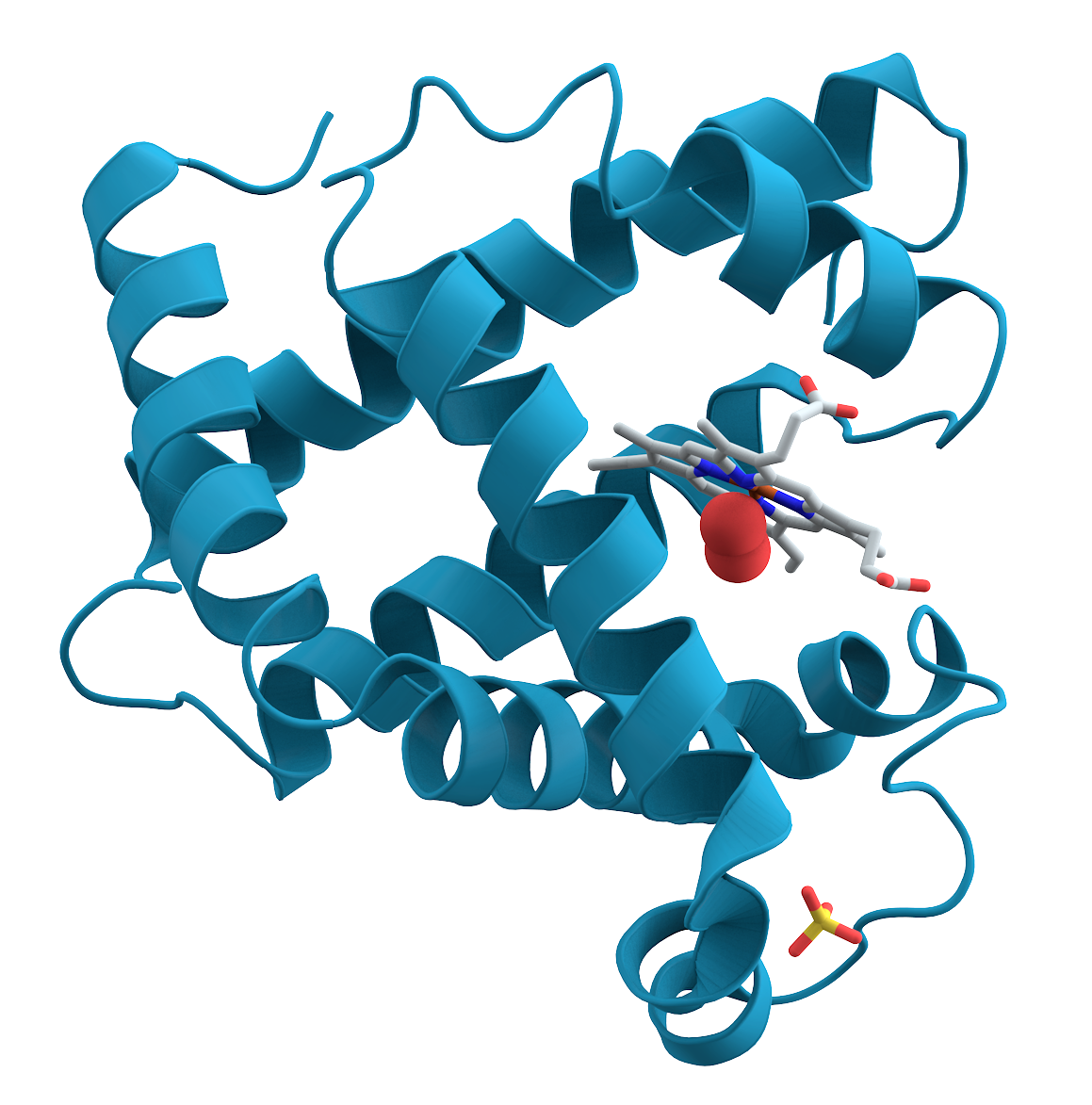
🏆 2nd Prize Winner - QBI Innovation Hackathon
🎯 Project Overview
MaxBindAI is a cutting-edge deep learning project that leverages convolutional neural networks to predict ligand-protein binding affinity with high accuracy. This project was developed during the QBI Innovation Hackathon at UCSF, where it won 2nd place 🏆, demonstrating the powerful application of AI in computational drug discovery and molecular modeling.
✨ Key Features
- 🧬 Deep Learning Architecture — Custom CNN models specifically designed for molecular interaction prediction
- 📊 Large-scale Data Integration — Advanced training using ChEMBL and PLINDER molecular databases
- 🎯 Binding Affinity Prediction — Highly accurate prediction of protein-ligand interaction strengths
- 💊 Drug Discovery Applications — Direct support for pharmaceutical research and development workflows
- ⚡ High Performance — Optimized for both accuracy and computational efficiency
🔬 Technical Implementation
Deep Learning Framework
- Convolutional Neural Networks (CNNs) — State-of-the-art architecture for molecular data
- PyTorch/TensorFlow — Robust deep learning framework implementation
- Custom Model Architecture — Tailored designs for molecular interaction patterns
- Advanced Optimization — Cutting-edge training techniques and hyperparameter tuning
Data Processing & Integration
- ChEMBL Database — Large-scale bioactivity database with extensive protein-ligand data
- PLINDER Dataset — High-quality protein-ligand interaction structures and binding information
- Molecular Representation — Graph-based and image-based molecular feature encoding
- Data Pipeline — Robust preprocessing and validation workflows
📊 Dataset & Training Details
ChEMBL Database Integration
- Comprehensive Coverage — Large-scale bioactivity database with protein-ligand interaction data
- Binding Affinity Measurements — Standardized experimental binding data
- Molecular Representations — Structured chemical information and standardized formats
- Quality Control — Rigorous data validation and preprocessing protocols
PLINDER Dataset Utilization
- 3D Structural Data — Protein-ligand interaction structures with atomic-level detail
- Conformational Information — 3D molecular conformations and binding site analysis
- Experimental Validation — High-quality experimental data for model training
- Structural Insights — Advanced understanding of molecular binding mechanisms
🏆 Team & Achievement Details
Project Type: Team Collaboration
Event: QBI Innovation Hackathon (UCSF Quantitative Biosciences Institute)
Achievement: 🏆 2nd Prize Winner
Role: ML Engineer & Data Scientist
Duration: Intensive hackathon development sprint
Status: Completed & Open Source
🎯 Key Achievements
🏅 Competition Excellence — 2nd place finish at prestigious QBI Innovation Hackathon
📈 Model Performance — Achieved high accuracy in binding affinity prediction benchmarks
🔬 Data Integration Success — Successfully combined and processed multiple molecular databases
🤖 Deep Learning Innovation — Implemented state-of-the-art CNN architectures for molecular data
🚀 Research Impact — Contributing to advancement of computational drug discovery methods
💡 Impact & Applications
Pharmaceutical Industry
- 💊 Drug Discovery Acceleration — Reducing time and cost in pharmaceutical research pipelines
- 🎯 Target Identification — Supporting identification of promising drug targets
- 📊 Risk Assessment — Predicting binding success rates before expensive experimental validation
- ⚗️ Lead Optimization — Guiding medicinal chemistry efforts in drug development
Academic Research
- 🔬 Computational Biology — Advanced molecular interaction modeling and analysis
- 📈 Predictive Analytics — Reducing experimental costs in academic drug screening
- 🎓 Research Tool — Supporting both academic and industry research initiatives
- 📚 Knowledge Generation — Contributing to understanding of molecular binding mechanisms
🚀 Technical Challenges Overcome
- Molecular Representation — Converting complex chemical structures to CNN-compatible formats
- Data Scaling — Efficiently handling and processing large-scale molecular databases
- Model Architecture — Designing optimal CNN structures specifically for molecular interaction data
- Performance Optimization — Balancing prediction accuracy with computational efficiency requirements
- Cross-validation — Ensuring model generalization across different protein families and chemical spaces
🔗 Links & Resources
🏆 Winner of 2nd Prize at QBI Innovation Hackathon - advancing the future of computational drug discovery through innovative AI applications.